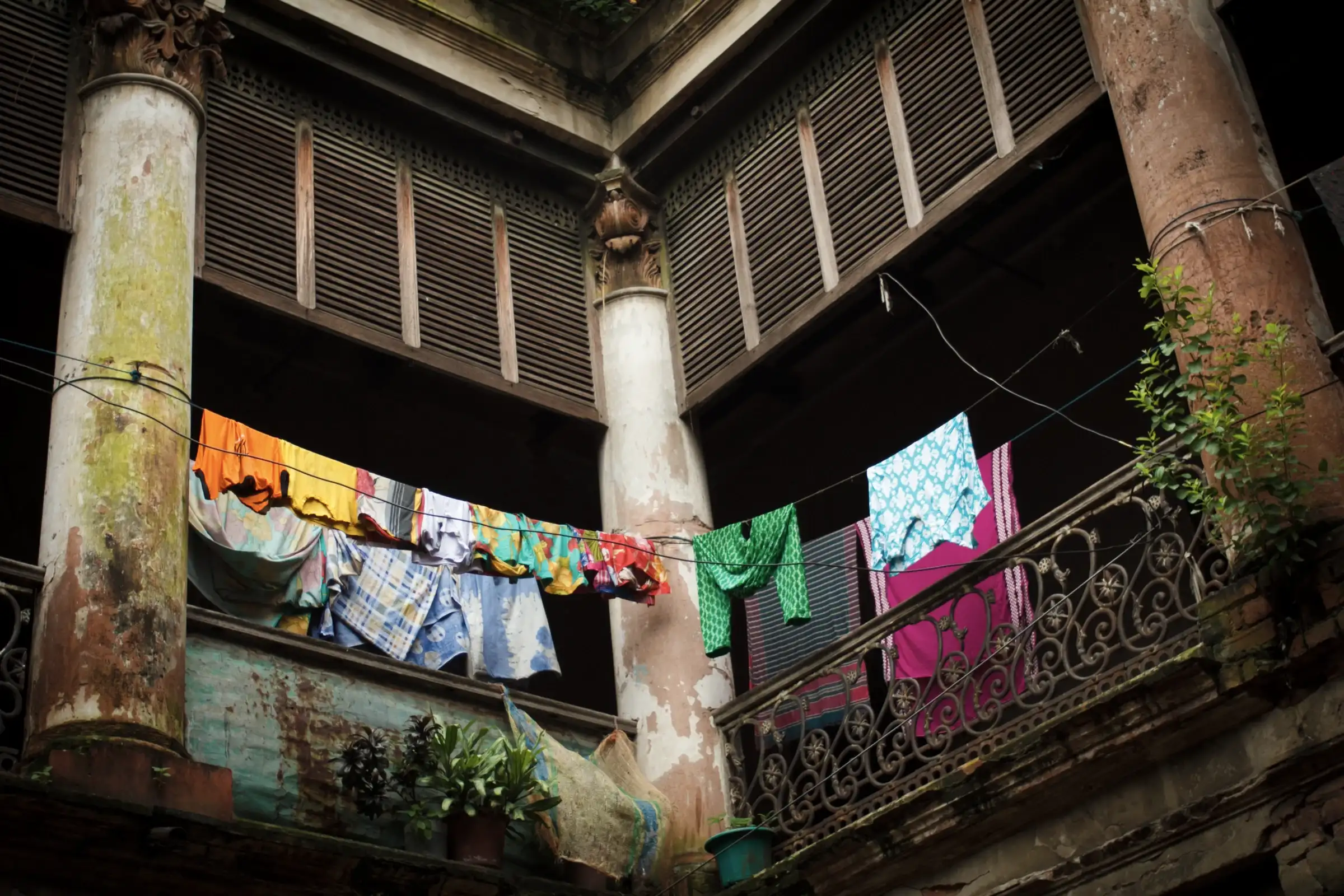
The Eastern Rooms
One family. Several ideas of home.
Dhaka, 1946–1982
In a house in old Dhaka, one family lives through Partition, the creation of Pakistan and the birth of Bangladesh. Then it has to live with the version of events it decides to remember.
Status: September 2026 · Final review and checks
Enter the storyThe novel
A family living through the making of a country.
The house stands on a narrow lane in old Dhaka, with a shop at the front and the family living behind it. Three generations share it between 1946 and 1982, while the country beyond the gate changes twice.
History comes into the house the way it comes into most houses: through marriages and arguments, departures, friendships, compromises and long silences at the table. Afterwards, the family has to decide what to keep.
Thirty-six years · 1946–1982
Beyond the gate.
1947
A country arrives.
British India is partitioned. Dhaka becomes part of the eastern wing of Pakistan, a thousand miles from the western one.
1952
Language becomes political.
Police fire on students in Dhaka who are demanding that Bangla be made a state language.
Beyond the headlines, the city goes about its day.
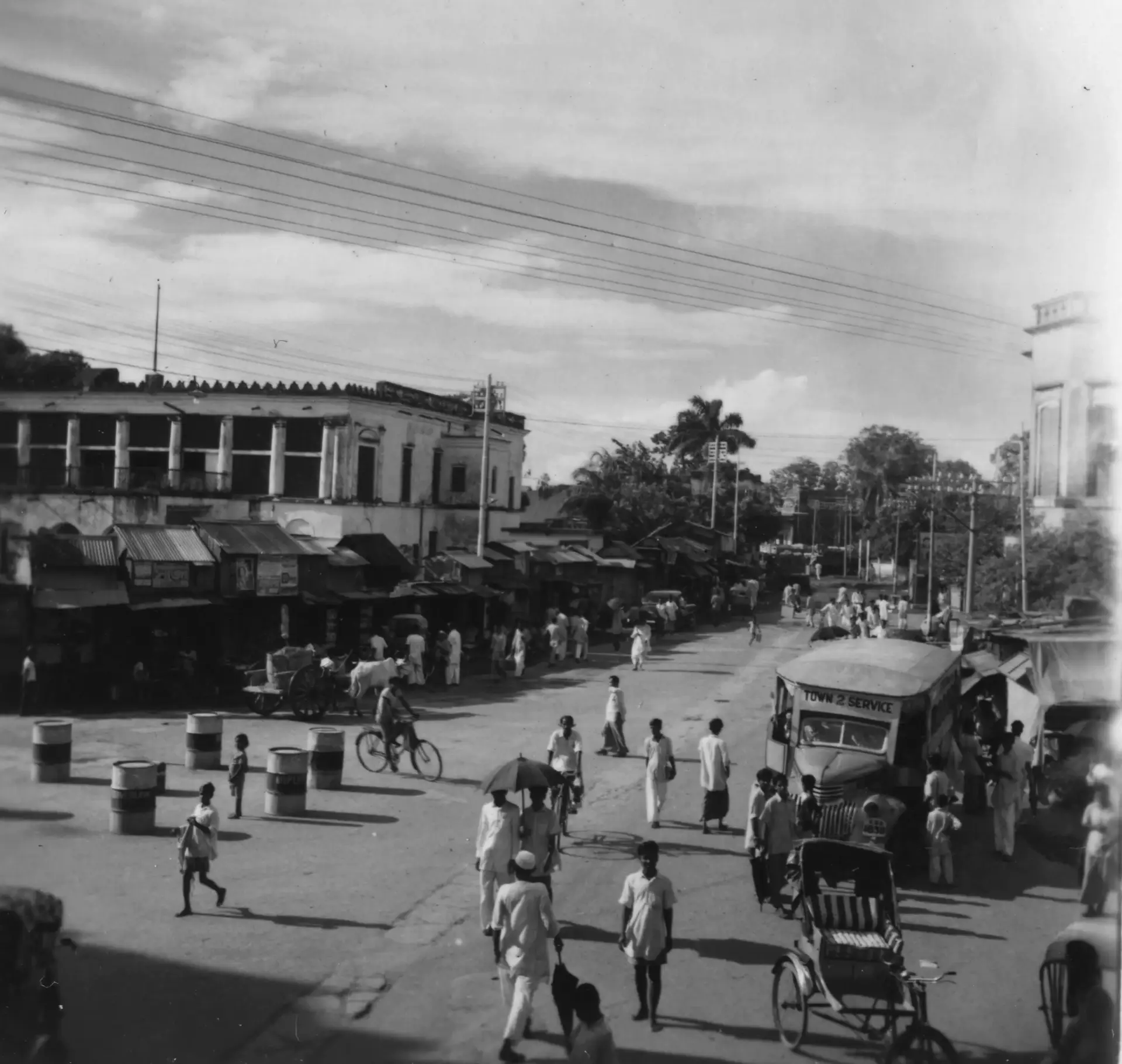
A street in Dhaka · 1952Clarence W. Sorensen · UWM Libraries 1966
An ordinary day.
Between the turning points, there are shops to open, errands to run, neighbours to visit. Children grow up.
History is lived in these hours, too.
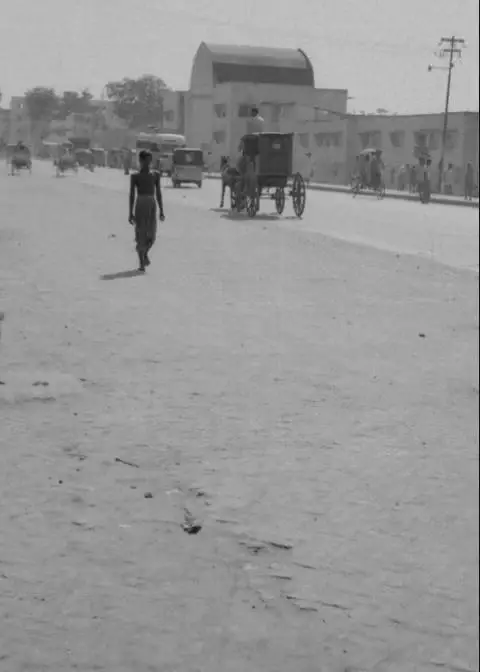
Mirpur Road, Dhaka · 1966Acrestreet · Wikimedia Commons 1971
Loyalty becomes a choice.
War, and nine months later, Bangladesh.
A new country. The same rooms to come home to.
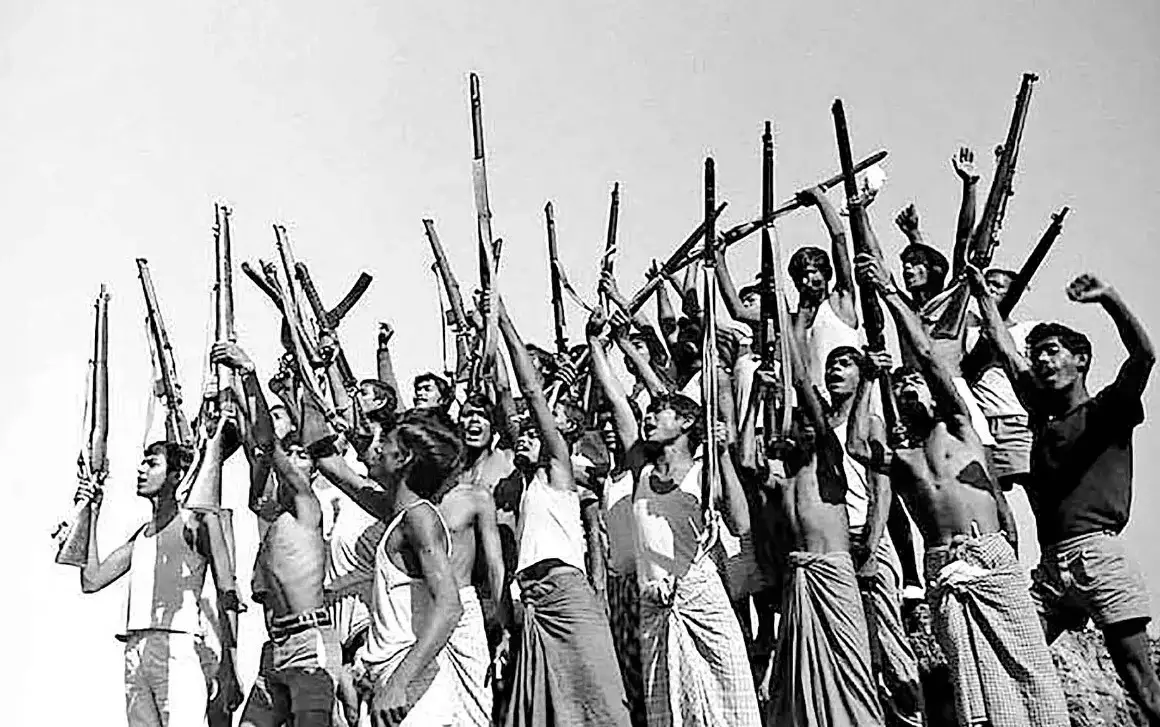
Independence in Dohar, Dhaka district · 16 December 1971Anwar Hossain · Press Information Department, Bangladesh Afterwards
Memory becomes history.
The family settles on its account of what happened. Not everyone agrees with it.


.jpg)
The house
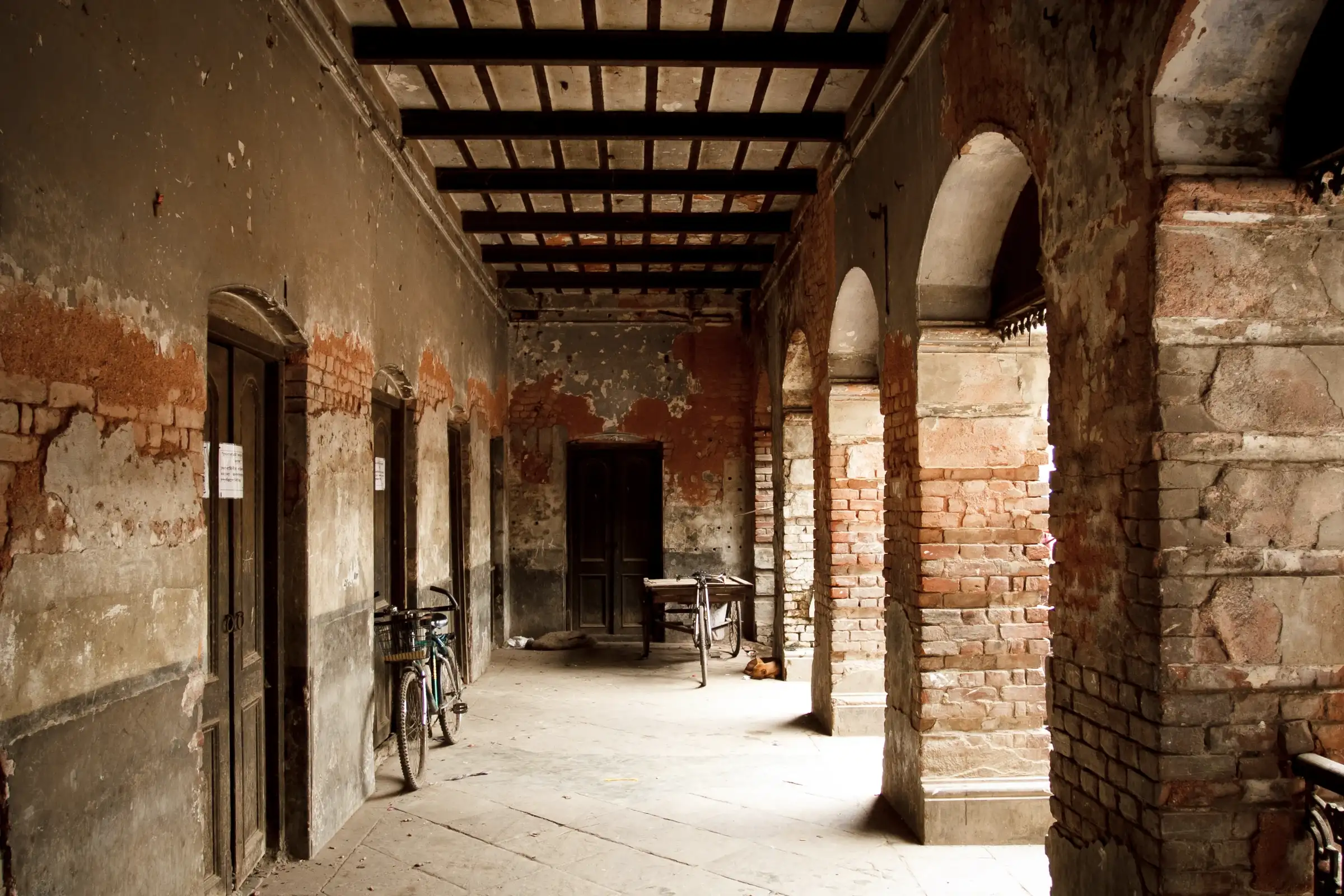
The house remembers.
Three generations sleep in the same rooms and use them differently.
A wedding is held in the courtyard. Years later, people hide there.
A wall is damaged, and someone repairs it. Things stay where they were put, and what they mean changes.
Eventually, one room on the eastern side is locked.
Several ideas of home.
- For some, Pakistan begins as a promise.
- For others, Bengal is the older inheritance.
- Language complicates religion.
- Friendships cross communities.
- Independence brings new loyalties, and new questions about who belongs.
The novel follows Muslim, Hindu, Bengali and Urdu-speaking lives, and does not reduce any of them to a historical category.
Z. Karim
Z. Karim is a British-American writer of Bangladeshi heritage. The Eastern Rooms is his first historical novel.
For Raju.
You should have been here to read this.
Stay with the story.
Publication news, occasional notes from the writing of the novel, and nothing unnecessary.